As a supplier of auxiliary machinery, I’ve witnessed firsthand how crucial heat transfer mechanisms are in the proper functioning of these systems. Auxiliary machinery encompasses a wide range of equipment that supports the main operations in various industries, such as power generation, manufacturing, and marine applications. Understanding the heat transfer mechanisms at play is essential for optimizing performance, ensuring reliability, and extending the lifespan of the equipment. Auxiliary Machinery
Conduction: The Foundation of Heat Transfer
Conduction is the most fundamental heat transfer mechanism, occurring when heat energy is transferred through a solid material or between solid materials in direct contact. In auxiliary machinery, conduction plays a vital role in transferring heat from hot components to cooler ones. For example, in a heat exchanger, conduction allows heat to be transferred from the hot fluid flowing through the tubes to the cooler fluid on the outside.
The rate of heat conduction is determined by several factors, including the thermal conductivity of the materials involved, the temperature difference between the hot and cold regions, and the cross – sectional area and length of the heat flow path. Materials with high thermal conductivity, such as copper and aluminum, are often used in auxiliary machinery to enhance heat transfer efficiency. For instance, copper is commonly employed in the construction of electrical motors and transformers because of its excellent thermal conductivity, which helps dissipate heat generated during operation.
In a typical pump, conduction is responsible for transferring heat from the motor to the pump casing and then to the surrounding environment. If the thermal conductivity of the casing material is low, heat can accumulate, leading to overheating and potential damage to the motor and other components. Therefore, selecting the right materials with appropriate thermal properties is crucial for effective heat conduction in auxiliary machinery.
Convection: Heat Transfer by Fluid Motion
Convection is the transfer of heat through the movement of fluids, either liquids or gases. In auxiliary machinery, convection is divided into two types: natural convection and forced convection.
Natural convection occurs when the fluid motion is driven by density differences caused by temperature variations. For example, in an electrical control panel, as the electronic components generate heat, the air around them heats up, becomes less dense, and rises. Cooler air then rushes in to replace it, creating a natural convection current that helps dissipate heat. This type of convection is often used in low – power applications or in situations where forced ventilation is not practical.
Forced convection, on the other hand, involves using external means, such as fans or pumps, to move the fluid and enhance heat transfer. In a large industrial chiller, for example, a fan is used to blow air over the condenser coils, increasing the rate of heat transfer from the refrigerant to the surrounding air. Forced convection is generally more efficient than natural convection and is commonly used in high – power auxiliary machinery where rapid heat dissipation is required.
The efficiency of convection heat transfer depends on several factors, including the fluid velocity, the surface area of the heat – transfer surface, and the properties of the fluid, such as its specific heat capacity and viscosity. By optimizing these factors, we can improve the performance of auxiliary machinery and reduce the risk of overheating.
Radiation: Heat Transfer through Electromagnetic Waves
Radiation is the transfer of heat in the form of electromagnetic waves. Unlike conduction and convection, radiation does not require a medium to transfer heat and can occur even in a vacuum. In auxiliary machinery, radiation plays a role in heat transfer, especially in high – temperature applications.
For example, in a furnace used in a metal – processing plant, the hot furnace walls radiate heat to the surrounding environment and to the metal being processed. The amount of heat radiated is proportional to the fourth power of the absolute temperature of the radiating surface (Stefan – Boltzmann law). This means that even a small increase in temperature can result in a significant increase in the amount of heat radiated.
In some cases, radiation can be both beneficial and problematic. On one hand, it can help in dissipating heat from hot components. On the other hand, excessive radiation can cause heat to be transferred to nearby components that are sensitive to high temperatures, leading to malfunctions. To control radiation heat transfer, reflective materials can be used to reduce the amount of heat absorbed by sensitive components.
Applications of Heat Transfer Mechanisms in Auxiliary Machinery
In the power generation industry, heat transfer mechanisms are critical in ensuring the efficient operation of auxiliary equipment. For example, in a steam power plant, heat exchangers are used to transfer heat from the steam to the cooling water. Conduction occurs within the tubes of the heat exchanger, while convection is responsible for moving the steam and the cooling water. By optimizing these heat transfer processes, the power plant can improve its overall efficiency and reduce energy consumption.
In the manufacturing industry, auxiliary machinery such as injection molding machines rely on effective heat transfer to control the temperature of the molds. Conduction transfers heat from the heating elements to the mold, and convection helps in maintaining a uniform temperature distribution within the mold. This ensures that the plastic material is molded correctly and that the final product has the desired quality.
In marine applications, auxiliary machinery like engine cooling systems use a combination of conduction, convection, and radiation to dissipate the heat generated by the engines. The engine block transfers heat to the coolant through conduction, the coolant is circulated by a pump (forced convection), and the radiator dissipates heat to the surrounding air through convection and radiation.
Importance of Understanding Heat Transfer for Auxiliary Machinery Suppliers
As an auxiliary machinery supplier, understanding heat transfer mechanisms is of utmost importance. It allows us to design and manufacture equipment that operates efficiently and reliably. By selecting the right materials and optimizing the heat transfer processes, we can ensure that our products meet the specific requirements of our customers.
For example, when designing a new heat exchanger, we need to consider the thermal conductivity of the tube materials, the flow rate of the fluids, and the surface area available for heat transfer. By using advanced computational fluid dynamics (CFD) simulations, we can predict the heat transfer performance of the heat exchanger and make necessary adjustments to optimize its design.
Moreover, understanding heat transfer mechanisms helps us in providing technical support to our customers. When a customer experiences problems with overheating in their auxiliary machinery, we can analyze the heat transfer processes involved and recommend solutions, such as changing the coolant flow rate or replacing a component with a material of higher thermal conductivity.
Conclusion
In conclusion, the heat transfer mechanisms of conduction, convection, and radiation are all essential in the proper functioning of auxiliary machinery. Each mechanism plays a unique role, and in most cases, they work together to ensure efficient heat transfer.
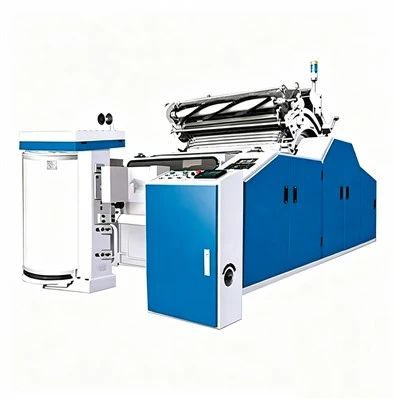
As a supplier of auxiliary machinery, our in – depth understanding of these heat transfer mechanisms enables us to offer high – quality products that meet the diverse needs of our customers. Whether it’s a power generation plant, a manufacturing facility, or a marine vessel, our products are designed to optimize heat transfer and ensure reliable operation.
Roving Frame Machine If you are in the market for auxiliary machinery and want to discuss how our products can meet your heat transfer requirements, we invite you to reach out to our sales team. We are ready to engage in a detailed discussion about your specific needs and provide you with the best solutions for your applications.
References
- Incropera, F. P., & DeWitt, D. P. (2002). Fundamentals of Heat and Mass Transfer. John Wiley & Sons.
- Holman, J. P. (2002). Heat Transfer. McGraw – Hill.
- Cengel, Y. A., & Ghajar, A. J. (2015). Heat and Mass Transfer: Fundamentals and Applications. McGraw – Hill Education.
Shandong Hongye Machinery Co., Ltd.
Shandong Hongye Machinery Co., Ltd. is one of the most professional auxiliary machinery manufacturers and suppliers in China, featured by quality products and low price. Please rest assured to buy advanced auxiliary machinery in stock here and get quotation from our factory. Also, 1 year warranty is available.
Address: Room 1104, Building No. 2, Haier Yunjie, No. 99 Chongqing South Road, Qingdao, China
E-mail: sales@seavincn.com
WebSite: https://www.sdhymachinery.com/
