As a supplier of EDI (Electrodeionization) Pure Water Systems, I’ve witnessed firsthand the challenges that businesses face in managing energy consumption. EDI systems are a cornerstone in producing high – purity water for various industries, including pharmaceuticals, electronics, and power generation. However, their power consumption can be a significant cost factor. In this blog, I’ll share some practical strategies to reduce the power consumption of an EDI Pure Water System. EDI Pure Water System

Understanding the Basics of EDI Pure Water Systems
Before delving into power – saving strategies, it’s essential to understand how an EDI system works. An EDI system combines ion – exchange resins and ion – exchange membranes with an electric field to remove ions from water. The electric field drives the ions through the membranes, leaving behind pure water. The power consumption mainly comes from the electric field required to move these ions.
Optimize System Design
- Proper Sizing: One of the most fundamental steps in reducing power consumption is to ensure that the EDI system is properly sized for the application. An oversized system will consume more power than necessary, while an undersized system may not meet the water quality requirements and could lead to inefficiencies. When designing the system, we need to accurately assess the water flow rate, the initial ion concentration in the feed water, and the desired water quality. By working closely with our customers to understand their specific needs, we can design an EDI system that operates at optimal efficiency.
- Membrane Selection: The choice of ion – exchange membranes can have a significant impact on power consumption. High – quality membranes with low electrical resistance allow ions to move more easily through the system, reducing the amount of energy required to drive the ion – exchange process. We offer a range of membranes that are carefully selected for their performance and energy – efficiency. These membranes are designed to minimize the voltage drop across the system, resulting in lower power consumption.
Improve Feed Water Quality
- Pre – treatment: Effective pre – treatment of the feed water is crucial for reducing power consumption in an EDI system. Removing suspended solids, organic matter, and large ions before the water enters the EDI unit can prevent fouling of the ion – exchange membranes and resins. Fouling can increase the electrical resistance of the system, forcing it to consume more power to achieve the same level of ion removal. We recommend using a combination of filtration, reverse osmosis (RO), and other pre – treatment methods to ensure that the feed water is of high quality.
- Monitoring and Adjustment: Regular monitoring of the feed water quality is essential. By continuously measuring parameters such as conductivity, pH, and turbidity, we can detect any changes in the feed water quality and make adjustments to the pre – treatment process as needed. For example, if the conductivity of the feed water increases, we may need to adjust the RO system to increase the rejection rate of ions.
Optimize Operating Conditions
- Flow Rate: The flow rate of the water through the EDI system can affect power consumption. Running the system at an optimal flow rate ensures that the ion – exchange process is efficient. If the flow rate is too high, the ions may not have enough time to be removed from the water, leading to lower water quality and potentially higher power consumption to compensate. On the other hand, if the flow rate is too low, the system may operate inefficiently. We can help our customers determine the optimal flow rate based on their specific system design and water quality requirements.
- Temperature: The temperature of the feed water also plays a role in power consumption. Generally, higher temperatures reduce the electrical resistance of the water and the ion – exchange membranes, resulting in lower power consumption. However, the temperature should be within the operating range of the EDI system. We can provide guidance on maintaining the feed water temperature at an optimal level to balance energy savings and system performance.
Implement Energy – Saving Technologies
- Variable Frequency Drives (VFDs): Installing VFDs on the pumps and other electrical components of the EDI system can significantly reduce power consumption. VFDs allow the speed of the motors to be adjusted based on the actual demand. For example, during periods of low water demand, the pumps can operate at a lower speed, consuming less power. This technology can adapt the system’s energy consumption to the changing load, resulting in substantial energy savings over time.
- Energy – Recovery Systems: Some EDI systems can be equipped with energy – recovery systems. These systems capture the energy from the high – pressure waste streams and use it to pre – pressurize the feed water. By reusing this energy, the overall power consumption of the system can be reduced. We can offer energy – recovery solutions as part of our EDI system packages, tailored to the specific needs of our customers.
Regular Maintenance and Monitoring
- Maintenance: Regular maintenance of the EDI system is essential for ensuring its efficient operation. This includes cleaning the ion – exchange membranes, replacing the ion – exchange resins when necessary, and checking the electrical connections. A well – maintained system will have lower electrical resistance and operate more efficiently, reducing power consumption. We provide comprehensive maintenance services to our customers, including on – site inspections and preventive maintenance programs.
- Monitoring: Continuous monitoring of the system’s performance is crucial. By tracking parameters such as power consumption, water quality, and flow rate, we can identify any inefficiencies or potential problems early. This allows us to take corrective actions before the power consumption increases significantly. We offer remote monitoring services that allow our customers to keep an eye on their EDI systems in real – time and receive alerts if any issues are detected.
Training and Education
- Operator Training: Proper training of the system operators is vital for reducing power consumption. Operators should be educated on the correct operation of the EDI system, including how to adjust the operating parameters, perform maintenance tasks, and troubleshoot common problems. We offer training programs for our customers’ operators, ensuring that they have the knowledge and skills to operate the system efficiently.
- Industry Best Practices: Keeping up with the latest industry best practices and technological advancements can also help in reducing power consumption. We stay informed about the latest research and development in EDI technology and share this knowledge with our customers. By implementing these best practices, our customers can achieve greater energy efficiency in their EDI systems.
Conclusion
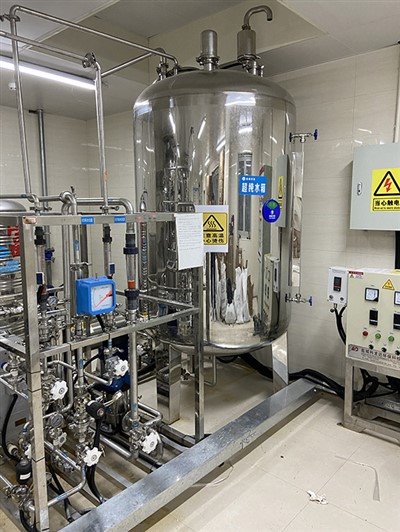
Reducing the power consumption of an EDI Pure Water System is not only beneficial for the environment but also for the bottom line of businesses. By optimizing system design, improving feed water quality, optimizing operating conditions, implementing energy – saving technologies, and conducting regular maintenance and monitoring, significant energy savings can be achieved. As a supplier of EDI Pure Water Systems, we are committed to helping our customers reduce their energy consumption and improve the efficiency of their water treatment processes.
RO DI Water System If you are interested in learning more about our EDI Pure Water Systems and how we can help you reduce power consumption, please feel free to contact us. We are ready to have in – depth discussions about your specific needs and provide you with customized solutions.
References
- AWWA (American Water Works Association). "Water Quality and Treatment: A Handbook of Community Water Supplies."
- ASHRAE (American Society of Heating, Refrigerating and Air – Conditioning Engineers). "ASHRAE Handbook – HVAC Applications."
- Manufacturers’ technical documents on EDI systems and related components.
Shenzhen Jkon Environmental Protection Technology Co., Ltd.
As one of the most professional edi pure water system manufacturers and suppliers in China, we’re featured by quality products and good service. Please rest assured to buy customized edi pure water system made in China here from our factory. Contact us for more details.
Address: Shanghenglang Industrial park, Daloang Street, Longhua District, Shenzhen, China
E-mail: sales@jkontech.com
WebSite: https://www.jkontech.com/
