Transmission gears are a critical component in a bus, playing a pivotal role in the vehicle’s performance and efficiency. As a dedicated transmission gears supplier, I’ve had the privilege of closely observing and understanding the intricate workings of these mechanisms. In this blog, I will delve into the fascinating world of how transmission gears in a bus operate, highlighting their importance and the value they bring to the transportation industry. Transmission Gears
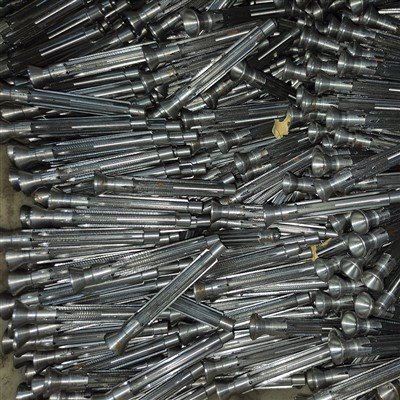
The Basics of Transmission Gears
Before we explore the specific operation of transmission gears in a bus, it’s essential to grasp the fundamental concepts of gears. A gear is a toothed wheel that meshes with another toothed component, such as another gear or a rack, to transmit power and motion. Gears come in various shapes and sizes, and each type serves a unique purpose.
In the context of a bus, the transmission system is responsible for transferring power from the engine to the wheels. The transmission gears are the key elements within this system, enabling the bus to change speed and torque according to different driving conditions.
Types of Transmission Systems in Buses
There are primarily two types of transmission systems commonly used in buses: manual and automatic transmissions.
Manual Transmissions
Manual transmissions require the driver to manually shift gears using a gear stick. This type of transmission offers more control to the driver, allowing them to select the most appropriate gear for a given situation. In a manual transmission, the transmission gears are engaged and disengaged using a clutch pedal.
When the driver presses the clutch pedal, the clutch disengages the engine from the transmission, allowing the driver to shift gears. Once the desired gear is selected, the driver releases the clutch pedal, re – engaging the engine with the transmission and transmitting power to the wheels.
The transmission gears in a manual bus are typically arranged in a sequence of gears, such as first, second, third, fourth, fifth, and sometimes even sixth gear. Lower gears provide higher torque, which is useful for starting the bus from a standstill or climbing steep hills. Higher gears, on the other hand, offer higher speed with lower torque, ideal for cruising on flat roads.
Automatic Transmissions
Automatic transmissions, as the name suggests, automatically shift gears without the need for the driver to operate a clutch. These transmissions use a complex system of hydraulic, electrical, and mechanical components to control the gear changes.
In an automatic transmission, the torque converter acts as a substitute for the clutch in a manual transmission. The torque converter transfers power from the engine to the transmission and provides a smooth transfer of power, especially during starts and stops.
Automatic transmissions in buses can have different numbers of gears, often ranging from four to eight or more. The transmission control unit (TCU) in an automatic system monitors various factors such as vehicle speed, engine load, and throttle position to determine the optimal gear to engage.
How Transmission Gears Work in a Bus
Whether it’s a manual or automatic transmission, the basic principle of how transmission gears work remains the same: to change the ratio between the engine’s rotational speed and the wheels’ rotational speed.
Gear Ratios
Gear ratios are the key to understanding how transmission gears function. A gear ratio is the ratio of the number of teeth on the driving gear (connected to the engine) to the number of teeth on the driven gear (connected to the wheels). For example, if a driving gear has 20 teeth and a driven gear has 40 teeth, the gear ratio is 1:2. This means that for every one rotation of the driving gear, the driven gear rotates half a turn.
In a bus, different gear ratios are used to provide various levels of torque and speed. When starting the bus, a low – gear ratio is selected. A low – gear ratio means that the engine can turn many times for each rotation of the wheels, providing high torque to overcome the inertia of the stationary bus. As the bus gains speed, the transmission shifts to higher – gear ratios, where the engine rotates fewer times for each rotation of the wheels, allowing the bus to achieve higher speeds with less engine strain.
Power Transfer
The power generated by the engine is transmitted to the transmission through the input shaft. In a manual transmission, the driver’s gear selection determines which set of gears on the input shaft will mesh with the corresponding gears on the output shaft. In an automatic transmission, the TCU and the hydraulic system control the engagement of the appropriate gears.
Once the gears are engaged, the rotational motion of the input shaft is transferred to the output shaft. The output shaft then transfers this power to the driveshaft, which finally delivers the power to the wheels, causing the bus to move.
Synchronization
One of the challenges in a manual transmission is to ensure smooth gear changes. This is where synchronizers come into play. Synchronizers are devices that match the speed of the gears before they are engaged. When the driver attempts to shift gears, the synchronizer uses friction to bring the gears to the same speed, preventing grinding and ensuring a smooth transition between gears.
In an automatic transmission, the hydraulic system and the TCU work together to achieve smooth gear changes. The hydraulic system controls the flow of fluid to engage and disengage the clutches and bands that connect different gears, while the TCU precisely times these actions based on the driving conditions.
Importance of High – Quality Transmission Gears in Buses
As a transmission gears supplier, I understand the crucial importance of providing high – quality gears for buses. High – quality transmission gears offer several advantages:
Durability
Buses are heavy – duty vehicles that are subject to constant stress and wear. High – quality gears are made from strong and durable materials, such as high – grade steel, which can withstand the high torque and forces generated during operation. This ensures a longer lifespan for the transmission gears, reducing the need for frequent replacements and maintenance.
Efficiency
Efficient transmission gears are essential for optimizing the bus’s fuel consumption. By providing the right gear ratios at the right time, high – quality gears allow the engine to operate at its most efficient speed, reducing fuel waste and emissions. This not only benefits the environment but also helps bus operators save on operating costs.
Smooth Operation
Smooth – shifting gears contribute to a comfortable and safe driving experience for both the driver and the passengers. High – quality gears, especially those with well – designed synchronizers in manual transmissions or precise hydraulic control in automatic transmissions, ensure seamless gear changes, minimizing vibrations and jerks.
Why Choose Our Transmission Gears
As a transmission gears supplier, we take pride in offering top – notch products that meet the highest standards of quality and performance. Our gears are designed and manufactured using state – of – the – art technology and the finest materials.
We understand that every bus has unique requirements, and we offer a wide range of transmission gears to suit different bus models and applications. Whether it’s for a city bus, a long – distance coach, or a school bus, we have the right gears to meet your needs.
Our team of experienced engineers and technicians is dedicated to providing excellent customer service. We work closely with our clients to understand their specific requirements and offer customized solutions. We also provide comprehensive after – sales support, including installation guidance, maintenance advice, and troubleshooting.
Contact Us for Your Transmission Gears Needs

If you’re in the market for high – quality transmission gears for your buses, we invite you to get in touch with us. Our knowledgeable sales team is ready to answer all your questions and provide you with a detailed quote. We believe that by choosing our transmission gears, you’ll be investing in the reliability and performance of your buses.
Spline Don’t hesitate to reach out to us for a procurement discussion. We look forward to the opportunity to work with you and contribute to the success of your transportation business.
References
- Automotive Transmission Systems: Principles, Operation, and Maintenance by Jack Erjavec.
- Fundamentals of Vehicle Dynamics by Thomas D. Gillespie.
- Modern Automotive Technology by James D. Halderman.
Wenling Nanfang Jingtong Gear Factory
As one of the most professional transmission gears manufacturers and suppliers in China, we also support customized service. We warmly welcome you to wholesale bulk high quality transmission gears made in China here from our factory. Also, quotation is available.
Address: Shui’an Village, Ruoheng Town, Wenling City, Taizhou City, Zhejiang Province
E-mail: jt18906566400@126.com
WebSite: https://www.jingtonggear.com/
