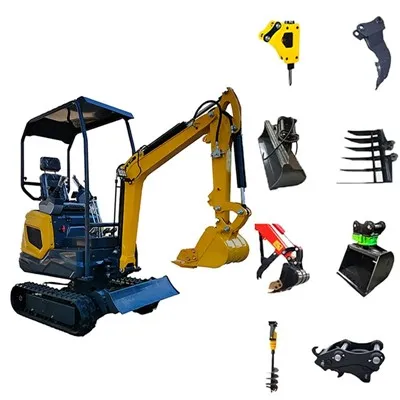
Transporting a mini crawler excavator requires careful planning and execution to ensure the equipment’s safety and the efficiency of the process. As a supplier of mini crawler excavators, I’ve been involved in numerous transport operations, and I understand the complexities and nuances involved. In this blog, I’ll share my insights on how to transport a mini crawler excavator effectively. Mini Crawler Excavators
Pre – transport Preparation
Before you even start thinking about moving the mini crawler excavator, there are several crucial steps to take.
Firstly, conduct a thorough inspection of the excavator. Check the engine, tracks, hydraulics, and other critical components to ensure they are in good working condition. Any existing damage or malfunction should be repaired before transport to prevent further issues during transit. For example, a loose track can shift during transport and cause damage to the excavator itself or the transport vehicle.
Next, clean the excavator. This not only gives you a better view of any potential damage but also helps prevent dirt and debris from being transported and potentially scratching the machine. Cleaning also complies with environmental regulations in some areas, as transporting overly dirty equipment can spread invasive species or contaminants.
It’s also essential to secure any loose parts. Remove any attachments such as buckets, augers, or rippers, and store them safely. Use appropriate tie – downs or brackets to secure control levers and prevent them from moving during transit, which could cause damage to the internal control mechanisms.
Choosing the Right Transport Method
There are a few common ways to transport a mini crawler excavator, and choosing the right one depends on various factors such as distance, cost, and terrain.
Flatbed Trailer
A flatbed trailer is a popular choice for transporting mini crawler excavators. It offers a stable platform for the equipment. When using a flatbed trailer, make sure the trailer is of appropriate size and capacity. The flatbed should be long and wide enough to accommodate the excavator comfortably.
Ensure that the trailer has a good braking system and is well – maintained. Before loading the excavator, position the trailer on level ground. This will make the loading process much safer and easier. You’ll also need to check that the trailer’s ramps are in good condition and can support the weight of the excavator during the loading and unloading process.
Low – boy Trailer
For longer distances or when transporting multiple mini crawler excavators at once, a low – boy trailer can be an excellent option. Low – boy trailers have a lower deck height, which provides better stability during transport, especially when going over uneven roads or bridges. They are also better suited for transporting larger and heavier equipment. However, they are often more expensive to rent or hire compared to flatbed trailers.
Self – Propelled
In some cases, if the transport distance is short and the terrain is suitable, the mini crawler excavator can be self – propelled to its destination. But this method has its limitations. The crawler’s tracks can cause damage to paved roads, and local regulations may restrict the use of tracked vehicles on public streets. Also, self – propelling over long distances can be time – consuming and may cause excessive wear and tear on the excavator.
Loading the Mini Crawler Excavator
Loading the mini crawler excavator onto the transport vehicle is a critical step that requires precision and caution.
Before starting the loading process, make sure the vehicle’s parking brake is engaged, and the trailer is properly chocked to prevent it from moving. If using ramps, check that they are securely attached to the trailer and can support the weight of the excavator.
When driving the excavator onto the trailer, do it slowly and steadily. Keep the center of gravity of the excavator in the middle of the trailer as much as possible to ensure balance. If the excavator is not properly centered, it can cause the trailer to tip during transport.
Once the excavator is on the trailer, use high – quality tie – downs to secure it. Typically, at least four tie – downs are required, one at each corner of the excavator. The tie – downs should be tightened to a proper tension to prevent the excavator from moving but not so tight that they cause damage to the equipment. Make sure to use tie – downs that are rated for the weight of the excavator.
During Transport
During the transport process, there are several things to keep in mind to ensure the safety of the mini crawler excavator.
The driver of the transport vehicle should be experienced and familiar with transporting heavy equipment. They should drive at a reasonable speed, taking into account the size and weight of the load. Sudden stops, sharp turns, or high – speed driving can cause the excavator to shift on the trailer, leading to potential damage.
Regularly check the tie – downs and the position of the excavator during long – distance trips. Make stops at appropriate intervals to inspect the load and ensure that everything is still secure. If you notice any issues such as loose tie – downs or a shifted excavator, stop immediately and take corrective action.
Also, be aware of the weather conditions. Bad weather such as heavy rain, snow, or high winds can make the transport more dangerous. If possible, avoid transporting the excavator during extreme weather conditions. If you’re caught in bad weather, slow down and take extra precautions.
Unloading the Mini Crawler Excavator
Unloading is just as important as loading. Similar to the loading process, make sure the trailer is on level ground and properly chocked.
Before driving the excavator off the trailer, double – check that the ramps are securely in place. Drive the excavator down the ramps slowly and steadily, following the same precautions as when loading.
Once the excavator is safely off the trailer, untie any remaining tie – downs and remove any additional equipment used during the loading and transport process.
Regulatory Compliance
When transporting a mini crawler excavator, you must comply with local, state, and federal regulations. These regulations may cover issues such as vehicle registration, permits, and safety requirements.
For example, some areas may require special permits for transporting oversized or overweight loads. Make sure to obtain all the necessary permits before starting the transport process. Failing to comply with these regulations can result in significant fines and delays.
You also need to ensure that the transport vehicle meets all safety standards, such as having proper lights, reflectors, and safety devices.
Conclusion
Transporting a mini crawler excavator is a complex process that requires careful planning, attention to detail, and compliance with regulations. By following the steps outlined in this blog, you can transport your mini crawler excavator safely and efficiently.
As a trusted supplier of mini crawler excavators, I understand that reliable transportation is just as important as the quality of the equipment itself. If you’re interested in purchasing a mini crawler excavator and need advice on transportation or have any other questions, feel free to reach out. We’re here to offer you the best solutions for your construction equipment needs.
Off-road Forklift References:
- Construction Equipment Handbook – Various industry – specific publications that detail the best practices for equipment handling and transport.
- Local and Federal Transportation Regulations – Government – issued documents that outline the legal requirements for transporting heavy machinery.
Jining Sunsail Machinery Co., Ltd.
With abundant experience, we are one of the most professional mini crawler excavators manufacturers and suppliers in China. We warmly welcome you to buy high-grade mini crawler excavators made in China here from our factory. For price consultation, contact us.
Address: Room 410, Digital Industry Building, Rencheng District, Jining City, Shandong Province,China
E-mail: Sunsail_machinery@163.com
WebSite: https://www.sunsailmachine.com/
