Hey there! I’m a supplier of checkered aluminum plates, and I’ve been in this business for quite a while. Over the years, I’ve seen the prices of checkered aluminum plates go up and down, and I’ve learned a thing or two about what affects those prices. So, I thought I’d share my insights with you in this blog post. Checkered Aluminum Plate
Raw Material Costs
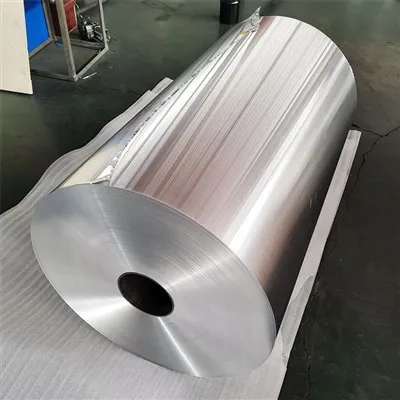
One of the most obvious factors affecting the price of checkered aluminum plates is the cost of raw materials. Aluminum is the main ingredient in these plates, and its price can fluctuate significantly based on global market conditions. When the cost of aluminum goes up, the price of checkered aluminum plates usually follows suit.
The cost of aluminum is influenced by several factors. First off, the global supply and demand play a huge role. If there’s a high demand for aluminum in industries like automotive, aerospace, and construction, and the supply can’t keep up, the price will rise. For example, when the automotive industry starts ramping up production of electric vehicles, which use a lot of aluminum for their lightweight properties, the demand for aluminum spikes.
Another factor is the cost of mining and refining aluminum. Mining operations can face challenges like labor strikes, natural disasters, or regulatory changes that can disrupt the supply chain and increase costs. Refining aluminum also requires a significant amount of energy, and fluctuations in energy prices can impact the overall cost of producing aluminum.
Manufacturing Process
The manufacturing process of checkered aluminum plates also has a big impact on their price. There are different methods of producing these plates, and each method has its own costs associated with it.
One common method is hot rolling. In hot rolling, the aluminum is heated to a high temperature and then passed through rollers to create the desired thickness and shape. This process requires a lot of energy and specialized equipment, which can add to the cost. Additionally, the quality of the hot-rolled plates can vary depending on factors like the temperature control and the precision of the rollers. Higher-quality hot-rolled checkered aluminum plates will generally cost more.
Cold rolling is another method. It’s often used to achieve a smoother finish and tighter tolerances. Cold rolling is a more precise and controlled process, but it also requires more sophisticated equipment and skilled operators. As a result, cold-rolled checkered aluminum plates are usually more expensive than hot-rolled ones.
Surface treatment is also an important part of the manufacturing process. For instance, if the checkered aluminum plates are going to be used in an outdoor or corrosive environment, they may need to be treated with a special coating to prevent rust and corrosion. The cost of the coating material and the application process can significantly increase the price of the plates.
Plate Specifications
The specifications of the checkered aluminum plates, such as their size, thickness, and pattern, also affect the price.
Larger and thicker plates generally cost more. This is because they require more raw material and more energy to produce. For example, a 12mm thick checkered aluminum plate will cost more than a 6mm thick one, and a 4×8 feet plate will cost more than a 2×4 feet plate.
The pattern of the checkered aluminum plate can also impact the price. Some patterns are more complex and require more intricate manufacturing processes. For example, a custom-designed pattern may need special tooling and programming, which adds to the cost. On the other hand, standard patterns that are mass-produced tend to be more affordable.
Market Competition
The level of competition in the market also plays a role in determining the price of checkered aluminum plates. In a highly competitive market, suppliers may lower their prices to attract more customers.
When there are many suppliers offering similar products, customers have more options to choose from. This forces suppliers to be more competitive in terms of price, quality, and customer service. For example, if a new supplier enters the market and offers lower prices, other suppliers may have to adjust their prices to stay in the game.
However, competition isn’t just about price. Suppliers also compete on factors like product quality, delivery time, and after-sales service. A supplier who can offer high-quality checkered aluminum plates, fast delivery, and excellent customer support may be able to charge a premium price.
Transportation and Logistics
Transportation and logistics costs can have a significant impact on the final price of checkered aluminum plates. The cost of shipping the plates from the manufacturing facility to the customer depends on several factors.
The distance between the supplier and the customer is an obvious factor. Longer distances usually mean higher shipping costs. For example, if a customer in Asia orders checkered aluminum plates from a supplier in Europe, the shipping cost will be much higher compared to a local order.
The mode of transportation also matters. Shipping by sea is generally cheaper than air freight, but it takes longer. If a customer needs the plates urgently, they may have to choose air freight, which will increase the cost.
In addition to shipping costs, there are also other logistics costs like handling, storage, and customs duties. These costs can vary depending on the location and the regulations of the destination country.
Economic and Political Factors
Economic and political factors on a global scale can also influence the price of checkered aluminum plates.
Economic recessions or slowdowns can lead to a decrease in demand for checkered aluminum plates. When the economy is not doing well, industries like construction and manufacturing may cut back on their projects, which reduces the demand for aluminum products. As a result, suppliers may lower their prices to stimulate demand.
On the other hand, economic growth can lead to an increase in demand and higher prices. When the economy is booming, there is more construction activity, more automotive production, and more demand for consumer goods, all of which require aluminum.
Political factors can also have a major impact. Trade policies, tariffs, and sanctions can disrupt the supply chain and increase costs. For example, if a country imposes tariffs on imported aluminum, the cost of raw materials for checkered aluminum plate suppliers in that country will increase, and they may have to pass on those costs to the customers.
Conclusion
So, there you have it! These are some of the main factors that affect the price of checkered aluminum plates. As a supplier, I keep a close eye on all these factors to make sure I can offer competitive prices to my customers while still maintaining a reasonable profit margin.
If you’re in the market for checkered aluminum plates and want to discuss your requirements, I’d love to talk to you. I can offer you high-quality products at a fair price and provide you with excellent customer service. Whether you need a small quantity for a DIY project or a large order for an industrial project, I’ve got you covered.
7 Micron Aluminum Foil I’m always happy to answer any questions you might have, so don’t hesitate to reach out. Let’s start a conversation and see how we can work together to meet your checkered aluminum plate needs.
References
- Industry reports on aluminum market trends
- Interviews with industry experts in aluminum manufacturing and trading
Henan Yongsheng Aluminum Industry Co., Ltd.
We are one of the most reliable checkered aluminum plate manufacturers and suppliers in China. With abundant experience, we warmly welcome you to buy high-grade checkered aluminum plate for sale here from our factory. All custom made products are with high quality and competitive price.
Address: Gongyi City Industrial Cluster District, Huiguo Town, Gongyi City, Henan Province
E-mail: eric@ysaluminum.cn
WebSite: https://www.ysaluminummill.com/
