Hey there! I’m a supplier of PP bottles, and I often get asked about the shelf life of products stored in these bottles. So, I thought I’d write this blog to share some insights on the topic. PP Bottle
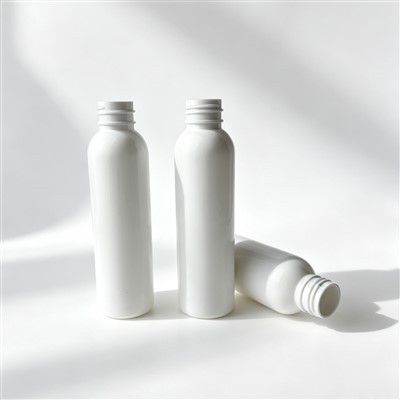
First off, let’s talk a bit about PP bottles. PP stands for polypropylene, which is a type of plastic. PP bottles are super popular because they’re lightweight, durable, and resistant to chemicals. They’re used to store all sorts of products, from food and beverages to pharmaceuticals and cosmetics.
Now, the shelf life of products in PP bottles can vary a whole lot. It depends on several factors, and I’ll break them down for you one by one.
1. The Product Itself
The nature of the product is a huge factor. For example, if you’re storing water in a PP bottle, it can last a really long time. Water is a stable substance, and as long as the bottle is sealed properly, water can be stored safely for years. Some bottled water on the market has a shelf – life of 2 – 5 years when stored in PP bottles under normal conditions.
On the other hand, if you’re storing something like fruit juice, the shelf life is much shorter. Fruit juice contains sugars, acids, and vitamins that can start to break down over time. Microorganisms can also grow in it. Even with preservatives, fruit juice stored in a PP bottle might only last a few months, usually around 3 – 6 months after opening, and up to a year if unopened and stored in a cool, dark place.
Bleach or other cleaning products may last up to 1 – 2 years in PP bottles. But over time, their effectiveness can decrease as the active ingredients break down.
2. Storage Conditions
The way you store the PP bottles plays a crucial role in determining the product’s shelf life.
Temperature: High temperatures can speed up the chemical reactions inside the bottle. If you leave a PP bottle filled with milk in a hot car on a sunny day, the milk will spoil much faster than if it’s kept in the fridge. For most food and beverage products, storing them at room temperature (around 20 – 25°C or 68 – 77°F) is okay for a short period, but if you want to extend the shelf life, cooler temperatures are better. For example, dairy products should be kept in the refrigerator, usually at 2 – 4°C (36 – 39°F), which can extend their shelf life from a few days at room temperature to a couple of weeks.
Light: Light, especially sunlight, can also have a negative impact. Some products, like certain medications or essential oils, are photosensitive. That means light can break down their chemical components. So, it’s a good idea to store PP bottles containing these products in a dark place, or use opaque PP bottles to block out the light.
Humidity: High humidity can affect products too. If the storage area is damp, it can cause the labels on the PP bottles to peel off or even promote the growth of mold around the bottle cap. This is more of an issue for products with powder or granular forms. For example, powdered drink mixes stored in a high – humidity environment can clump together, which makes them less appealing and may also affect their quality.
3. Quality of the PP Bottle
The quality of the PP bottle itself matters. A well – made PP bottle with good thickness and a proper sealing mechanism can protect the product better.
Thickness: A thicker PP bottle provides better insulation and protection against external factors. It can prevent oxygen from getting into the bottle, which is important for products that can oxidize, like olive oil. Oxidation can make the oil go rancid, but a thicker PP bottle can slow down this process.
Sealing: A tight seal is essential. If the bottle cap doesn’t seal properly, air, moisture, and contaminants can get in. This can lead to spoilage of the product. For example, in a cosmetic product stored in a PP bottle with a loose cap, bacteria may enter, and the product can develop an unpleasant smell or texture.
4. Additives in the Product
Many products have additives to extend their shelf life. Preservatives are commonly used in food, beverages, and cosmetics. For instance, sodium benzoate is a popular preservative used in soft drinks. It inhibits the growth of bacteria, yeast, and mold. In a PP – bottled soft drink with sodium benzoate, the shelf life can be extended from a few weeks to a few months or even up to a year, depending on the concentration of the preservative and other factors.
Antioxidants are also used to prevent the oxidation of products like oils and fats. Vitamin E is a natural antioxidant that can be added to products stored in PP bottles. It helps maintain the quality of the product by neutralizing free radicals that would otherwise cause spoilage.
Common Shelf – Life Ranges
Here’s a rough guide to the shelf life of some common products stored in PP bottles:
-
Food and Beverages:
- Water: 2 – 5 years unopened, no definite limit if stored properly after opening (but it’s best to consume within a few days to avoid contamination).
- Soft drinks: 6 – 12 months unopened, 1 – 2 days after opening.
- Milk: 5 – 7 days unopened (refrigerated), 2 – 3 days after opening.
- Olive oil: 1 – 2 years unopened, 6 – 12 months after opening if stored in a cool, dark place.
-
Cosmetics:
- Shampoo: 2 – 3 years unopened, 6 – 12 months after opening.
- Lotion: 2 – 3 years unopened, 6 – 12 months after opening.
-
Pharmaceuticals:
- Liquid medications: 1 – 2 years unopened, usually a few weeks to a few months after opening, depending on the specific medication.

As a PP bottle supplier, I understand how important it is to choose the right bottle for your product to ensure its quality and shelf life. We offer a wide range of PP bottles in different sizes, shapes, and thicknesses. Our bottles are made with high – quality polypropylene and have excellent sealing mechanisms.
PET Plastic Bottles If you’re a manufacturer of food, beverages, cosmetics, or pharmaceuticals, and you’re looking for reliable PP bottles to store your products, we’d love to have a chat. We can help you select the best bottle for your needs to maximize the shelf life of your products. Just reach out to us and let’s start a conversation about how we can work together.
References
- "Handbook of Plastic Materials and Technology" by Oscar Brandrup, et al.
- "Food Packaging: Principles and Practice" by Yam, Kit L., and Lee, L. H.
- "Cosmetic Science and Technology" by Martin M. Rieger and Lynne Barford.
Taizhou Fuyan Trading Co., Ltd.
As one of the most professional pp bottle manufacturers and suppliers in China, we’re featured by quality products and good service. Please rest assured to wholesale bulk pp bottle in stock here from our factory. Customized orders are welcome.
Address: Lupu Small and Micro Industrial Park, Lupu, Yuhuan City, Zhejiang Province
E-mail: taizhoufuyan@outlook.com
WebSite: https://www.fuyantrading.com/
