Railway sleepers, also known as railroad ties, play a crucial role in the railway infrastructure. They support the rails, distribute the load of the trains, and maintain the gauge between the tracks. As a railway sleeper supplier, I have witnessed firsthand how different climates can significantly impact the performance of these essential components. In this blog, I will explore how railway sleepers perform in various climates and the considerations for choosing the right sleepers for different environmental conditions. Railway Sleeper

Performance in Cold Climates
Cold climates, characterized by freezing temperatures, snow, and ice, pose unique challenges to railway sleepers. One of the primary concerns in cold regions is the expansion and contraction of the sleepers due to temperature fluctuations. Wood, a common material for railway sleepers, is particularly susceptible to these changes. As the temperature drops, the wood contracts, which can lead to cracks and splits. In extreme cases, these structural damages can compromise the integrity of the sleepers and the safety of the railway.
To mitigate these risks, railway sleepers in cold climates are often treated with preservatives to enhance their durability. Pressure treatment with chemicals such as creosote or copper-based preservatives can significantly extend the lifespan of wooden sleepers by protecting them from decay and insect damage. Additionally, the use of composite sleepers made from recycled materials or engineered polymers can offer better resistance to temperature changes and moisture. These materials have a more stable structure and are less likely to crack or warp in cold weather.
Another factor to consider in cold climates is the accumulation of snow and ice on the tracks. The weight of the snow and ice can put additional stress on the sleepers, potentially causing them to shift or become misaligned. Regular maintenance, including snow removal and track inspection, is essential to ensure the safe operation of the railway. In some cases, special anti-icing agents or heating systems may be installed on the tracks to prevent the formation of ice and reduce the impact of winter conditions on the sleepers.
Performance in Hot Climates
Hot climates present a different set of challenges for railway sleepers. High temperatures can cause the wood to dry out and become brittle, increasing the risk of cracking and breakage. In addition, the intense sunlight can accelerate the degradation of the wood, leading to a shorter lifespan. To address these issues, railway sleepers in hot climates are often treated with UV-resistant coatings to protect them from the sun’s rays.
Moisture is also a concern in hot climates, especially in regions with high humidity. The combination of heat and moisture can create an ideal environment for fungal growth and decay. To prevent this, sleepers should be properly ventilated and kept dry. In some cases, the use of moisture-resistant materials or treatments can help to reduce the risk of decay.
Another consideration in hot climates is the expansion of the rails due to the heat. As the rails expand, they can put additional stress on the sleepers, potentially causing them to shift or become damaged. To accommodate this expansion, special expansion joints are often installed in the tracks. These joints allow the rails to expand and contract without putting excessive stress on the sleepers.
Performance in Humid Climates
Humid climates, characterized by high levels of moisture in the air, can have a significant impact on the performance of railway sleepers. Wood is particularly vulnerable to moisture, as it can absorb water and become soft and weak. This can lead to decay, insect infestation, and structural damage.
To protect against moisture damage, railway sleepers in humid climates are often treated with water-repellent coatings or preservatives. These treatments can help to prevent the wood from absorbing water and reduce the risk of decay. In addition, proper drainage systems should be installed to ensure that water does not accumulate around the sleepers.
Another challenge in humid climates is the growth of mold and mildew on the sleepers. These fungi can not only cause cosmetic damage but also weaken the wood over time. Regular cleaning and inspection of the sleepers can help to prevent the growth of mold and mildew. In some cases, the use of anti-fungal treatments may be necessary to control the growth of these organisms.
Performance in Arid Climates
Arid climates, characterized by low levels of precipitation and high temperatures, also present unique challenges for railway sleepers. One of the primary concerns in arid regions is the lack of moisture, which can cause the wood to dry out and become brittle. This can increase the risk of cracking and breakage, especially in areas where the temperature fluctuates significantly.
To address these issues, railway sleepers in arid climates are often treated with moisture-retaining agents to help keep the wood hydrated. These agents can help to prevent the wood from drying out and reduce the risk of cracking. In addition, the use of shade structures or reflective coatings can help to reduce the temperature of the sleepers and protect them from the sun’s rays.
Another consideration in arid climates is the presence of dust and sand. These particles can accumulate on the sleepers and cause abrasion, which can damage the surface of the wood and reduce its lifespan. Regular cleaning and maintenance of the sleepers can help to prevent the accumulation of dust and sand and reduce the risk of abrasion.
Choosing the Right Railway Sleepers for Different Climates
When choosing railway sleepers for different climates, it is important to consider the specific environmental conditions and the requirements of the railway. Here are some factors to consider:
- Material: Different materials have different properties and are better suited for different climates. Wood is a traditional and widely used material for railway sleepers, but it may not be the best choice for all climates. Composite sleepers made from recycled materials or engineered polymers offer better resistance to temperature changes, moisture, and decay, making them a good option for harsh climates.
- Treatment: Proper treatment of the sleepers can significantly enhance their durability and performance. Pressure treatment with preservatives can protect the wood from decay and insect damage, while UV-resistant coatings can protect it from the sun’s rays.
- Design: The design of the sleepers can also affect their performance in different climates. For example, sleepers with a larger surface area can provide better support and distribute the load more evenly, while sleepers with a more open structure can allow for better ventilation and drainage.
- Maintenance: Regular maintenance is essential to ensure the long-term performance of the railway sleepers. This includes inspecting the sleepers for damage, cleaning them regularly, and replacing any damaged sleepers as needed.
Conclusion
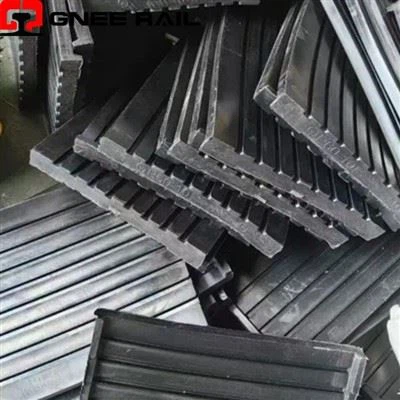
In conclusion, the performance of railway sleepers is significantly affected by the climate in which they are used. Cold climates can cause the wood to contract and crack, while hot climates can cause it to dry out and become brittle. Humid climates can lead to decay and insect infestation, while arid climates can cause the wood to dry out and become vulnerable to cracking. By choosing the right materials, treatments, and designs, and by implementing proper maintenance practices, railway sleepers can perform well in a variety of climates.
Wooden Sleeper As a railway sleeper supplier, I am committed to providing high-quality sleepers that are suitable for different climates. If you are in need of railway sleepers for your project, I encourage you to contact me to discuss your specific requirements. Together, we can find the best solution for your railway infrastructure.
References
- American Wood Protection Association (AWPA). (2023). Standards for Wood Preservatives and Treated Wood Products.
- Railway Engineering Association (REA). (2023). Guidelines for Railway Track Design and Maintenance.
- International Union of Railways (UIC). (2023). Technical Specifications for Railway Sleepers.
HENAN GNEE RAIL CO.,LTD.
HENAN GNEE RAIL CO.,LTD. is one of the most professional railway sleeper manufacturers and suppliers in China, featured by quality products and low price. Please rest assured to buy cheap railway sleeper in stock here from our factory. Contact us for customized service.
Address: No.4-1114, Beichen Building, Beicang Town, Beichen District, Tianjin, China
E-mail: info@gneerail.com
WebSite: https://www.chinarailfastener.com/
