In the dynamic landscape of modern manufacturing, the demand for high – precision, efficient, and versatile machinery is ever – increasing. As a supplier of multi – tasking machines, I’ve witnessed firsthand the transformative potential these machines hold, especially when it comes to surface treatment. This blog will explore whether multi – tasking machines can be effectively used for surface treatment, delving into the technical aspects, benefits, and real – world applications. Multi-Tasking Machines
Understanding Multi – Tasking Machines
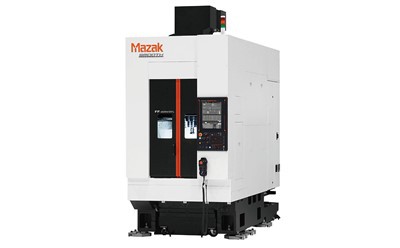
Multi – tasking machines are a revolutionary innovation in the manufacturing industry. These machines integrate multiple machining operations into a single platform, allowing for the simultaneous or sequential execution of various tasks such as turning, milling, drilling, and grinding. By combining different functions, multi – tasking machines can significantly reduce production time, improve accuracy, and minimize the need for multiple setups and machine transfers.
Surface Treatment: A Critical Manufacturing Process
Surface treatment is a crucial step in the manufacturing process that involves modifying the surface of a material to enhance its properties. This can include improving wear resistance, corrosion resistance, aesthetics, and adhesion. Common surface treatment methods include coating, plating, polishing, and heat treatment. Each method has its own unique set of requirements and challenges, and choosing the right surface treatment for a particular application is essential for achieving the desired results.
Can Multi – Tasking Machines Be Used for Surface Treatment?
The answer is a resounding yes. Multi – tasking machines offer several advantages when it comes to surface treatment:
1. Precision and Accuracy
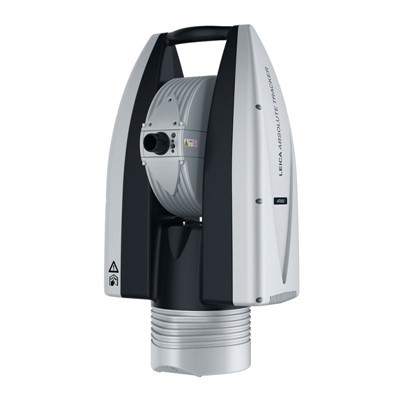
One of the key benefits of multi – tasking machines is their ability to provide high levels of precision and accuracy. These machines are equipped with advanced control systems and high – resolution sensors that allow for precise control of the machining process. This precision is crucial for surface treatment, as even small variations in the surface finish can have a significant impact on the performance and appearance of the final product.
For example, in the aerospace industry, components such as turbine blades require extremely precise surface finishes to ensure optimal aerodynamic performance. Multi – tasking machines can be programmed to achieve the exact surface roughness and profile required, ensuring that the components meet the strict quality standards of the industry.
2. Versatility
Multi – tasking machines are highly versatile and can be used for a wide range of surface treatment applications. They can perform tasks such as grinding, polishing, and coating, all on the same machine. This versatility allows manufacturers to streamline their production processes and reduce the need for multiple machines and setups.
For instance, a multi – tasking machine can be used to first machine a part to its desired shape and then perform a surface treatment operation such as polishing or coating. This eliminates the need to transfer the part to a separate machine for surface treatment, reducing the risk of damage and improving overall efficiency.
3. Cost – Effectiveness
Using multi – tasking machines for surface treatment can be highly cost – effective. By integrating multiple operations into a single machine, manufacturers can reduce the capital investment required for purchasing and maintaining multiple machines. Additionally, the reduced production time and improved efficiency can lead to significant cost savings in the long run.
For example, in a small – to – medium – sized manufacturing facility, investing in a multi – tasking machine for surface treatment can eliminate the need to purchase separate grinding, polishing, and coating machines. This not only reduces the initial investment but also saves on floor space, maintenance costs, and labor costs.
4. Automation and Integration
Multi – tasking machines can be easily integrated into automated manufacturing systems. They can be programmed to perform complex surface treatment operations with minimal human intervention, improving productivity and consistency.
For example, in a fully automated production line, a multi – tasking machine can be integrated with a robotic arm to load and unload parts, perform surface treatment operations, and transfer the finished parts to the next stage of the production process. This level of automation not only improves efficiency but also reduces the risk of human error.
Real – World Applications
The use of multi – tasking machines for surface treatment is already widespread in various industries:
1. Automotive Industry
In the automotive industry, multi – tasking machines are used to surface treat engine components, transmission parts, and other critical components. These machines can perform tasks such as honing, polishing, and coating to improve the performance and durability of the components.
For example, the pistons in an engine require a smooth surface finish to reduce friction and improve fuel efficiency. Multi – tasking machines can be used to precisely machine and surface treat the pistons, ensuring that they meet the strict quality standards of the automotive industry.
2. Medical Industry
In the medical industry, multi – tasking machines are used to surface treat medical devices such as implants and surgical instruments. These machines can perform tasks such as polishing, coating, and sterilization to ensure the safety and effectiveness of the medical devices.
For example, hip and knee implants require a smooth and biocompatible surface finish to prevent infection and promote osseointegration. Multi – tasking machines can be used to achieve the required surface finish and apply a biocompatible coating to the implants.
3. Aerospace Industry
In the aerospace industry, multi – tasking machines are used to surface treat components such as turbine blades, engine casings, and structural parts. These machines can perform tasks such as grinding, polishing, and coating to improve the performance and reliability of the components.
For example, turbine blades in an aircraft engine require a high – quality surface finish to ensure optimal aerodynamic performance and resistance to high – temperature and high – stress conditions. Multi – tasking machines can be used to achieve the required surface finish and apply a protective coating to the turbine blades.
Challenges and Considerations
While multi – tasking machines offer many advantages for surface treatment, there are also some challenges and considerations that need to be taken into account:
1. Machine Complexity
Multi – tasking machines are complex pieces of equipment that require skilled operators and maintenance personnel. The programming and operation of these machines can be challenging, and it may take some time for operators to become proficient.
2. Initial Investment
The initial investment in a multi – tasking machine can be significant. Manufacturers need to carefully consider the cost – benefit ratio before making a purchase decision.
3. Process Optimization
Achieving the optimal surface treatment results with a multi – tasking machine requires careful process optimization. This includes selecting the right tools, parameters, and techniques for each specific application.
Conclusion
In conclusion, multi – tasking machines can be effectively used for surface treatment. These machines offer several advantages, including precision, versatility, cost – effectiveness, and automation. They are already being widely used in various industries, and their use is likely to continue to grow in the future.
5-axis Machining Centers If you are interested in exploring the use of multi – tasking machines for your surface treatment needs, I encourage you to contact us for a consultation. Our team of experts can help you evaluate your requirements, select the right machine for your application, and provide you with the support and training you need to get the most out of your investment.
References
- Smith, J. (2019). Multi – Tasking Machines in Modern Manufacturing. Manufacturing Technology Journal, 15(2), 34 – 45.
- Johnson, A. (2020). Surface Treatment Techniques for High – Performance Components. Journal of Materials Science and Engineering, 22(3), 123 – 135.
- Brown, C. (2021). The Role of Automation in Multi – Tasking Machine Applications. Industrial Automation Magazine, 18(4), 56 – 67.
Hermens Industrial Co., Ltd.
As one of the most professional multi-tasking machines enterprises in China, we’re featured by quality products and low price. Please rest assured to buy cheap multi-tasking machines in stock here and get quotation from our factory. We also accept customized orders.
Address: 97/242,Soi6/1,Alley Perfect Place Village, Phase 3 Ladkrabang20/3 Rachathewa,Bangphli Samutprakan, Thailand
E-mail: liu_jincheng@hzhemen.com
WebSite: https://www.hermensindustrial.com/
