If you’ve ever stood in a busy dental clinic, watching a dentist work with steady, precise movements to shape a tooth, you might not have thought much about the little tool tucked into their hand: the dental reduction handpiece. For those of us who design and supply these tools, though, every part of the handpiece—even the air supply that powers it—matters more than most people realize. Let’s talk about how air supply directly impacts the performance of these handpieces, why it makes a difference for both dentists and patients, and why getting this part right is non-negotiable for quality dental care. Dental Reduction Handpiece
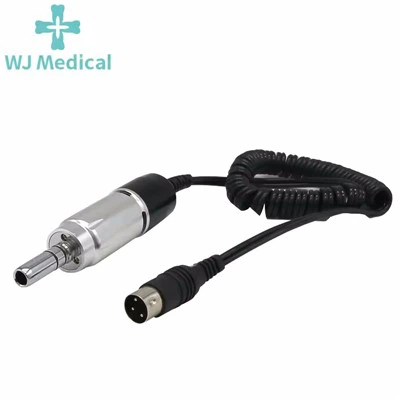
First, let’s set the basics: most high-speed and many low-speed dental reduction handpieces operate on pneumatic power, meaning compressed air is the core energy source that spins the handpiece’s bur at the exact speed needed for a procedure. Unlike electric handpieces, which run on motors, pneumatic ones rely on a consistent, regulated flow of air to deliver the torque, speed, and control that make tasks like removing decay, shaping crowns, or preparing teeth for bridges smooth and safe. When I meet with dental clinic managers and practice owners, the first question I usually ask isn’t about the handpiece’s design—it’s about their air supply setup, because even a small hiccup there can throw off an entire procedure.
Let’s start with air pressure, the most fundamental factor. Compressed air for dental handpieces should be regulated to a specific range, usually between 50 and 55 PSI (pounds per square inch) for high-speed handpieces, and a slightly lower, more consistent range for low-speed models. When the pressure is too low, you get a handpiece that can’t reach its rated speed. A high-speed handpiece designed to spin at 300,000 RPM might only hit 200,000 RPM if your clinic’s air compressor is weak or has leaks in the lines. That might not sound like a big difference, but in practice, it means the bur doesn’t cut through enamel or composite material as cleanly. Instead of a smooth, even reduction, you get a rough, jagged edge that can take the dentist twice as long to fix, which isn’t great for patient comfort or efficiency. Worse, low pressure can cause the bur to stall mid-procedure—think a dentist trying to shape a veneer prep and having to re-grind an area because the handpiece stopped unexpectedly. That’s not just frustrating; it increases the risk of damaging the adjacent healthy tooth structure.
On the flip side, air pressure that’s too high is just as bad. Excess pressure forces the handpiece’s internal turbine to spin faster than it’s designed to. Turbines in dental handpieces are precision-machined parts, balanced to operate within a specific speed range. Over-spinning a turbine wears out its bearings, seals, and even the internal gears (for low-speed handpieces) much faster than intended. A handpiece that should last 2–3 years with regular use might start having speed fluctuations or jitters after just 6 months if it’s subjected to consistent over-pressure. I’ve seen this happen more times than I can count: a clinic upgrades their compressor to meet the needs of a new office, forgets to adjust the handpiece regulators, and ends up having to replace a batch of handpieces six months early because the turbines burned out. High pressure also creates excess vibration in the handpiece, which transfers to the dentist’s hand over long procedures, leading to hand fatigue and even reduced precision as the day goes on. For patients, that increased vibration can make the procedure feel more uncomfortable—no one wants a dentist working on their tooth with a tool that’s vibrating like an old cell phone on a counter.
Next, air quality is a huge, often overlooked factor that ties directly to handpiece performance. Compressed air isn’t just air—it’s whatever is in the lines: moisture, oil, dust, and even bacteria, if the compressor isn’t properly maintained. Most dental handpieces have small, intricate internal parts that rely on clean, dry air to function. Let’s start with moisture. If air lines have accumulated water, that moisture gets into the handpiece’s turbine, bearings, and air passages. Over time, moisture causes rust and corrosion on metal parts, which creates friction. Friction means the turbine can’t spin as freely, so speed drops, torque decreases, and the handpiece becomes less responsive. Corroded parts also have rough edges, which can scratch the bur or cause it to wobble—another source of uneven cuts. Moisture can also mix with debris from dental procedures, creating a sludge that clogs the air nozzles, reducing air flow and putting more strain on the turbine. I had a client last year who complained that their new handpiece was stalling during root canals; when we checked their air lines, we found moisture buildup so bad it was dripping out of the regulator. Once they installed a line dryer and replaced the contaminated air filters, the handpiece worked like new.
Oil in the air supply is another big issue. Some older clinics use unfiltered compressed air that carries lubricating oil from the compressor into the handpiece. While handpieces do need occasional lubrication, too much oil causes a buildup in the turbine’s air passages, which restricts air flow and slows the turbine. Oil can also coat the bur, making it glide over the material instead of cutting through it, leading to slower, less precise reductions. Even worse, oil that gets into the handpiece’s internal seals can break them down, causing air leaks that further reduce performance. Modern dental handpieces are designed to be “oil-free” or require only minimal, targeted lubrication, so if a clinic’s air supply is carrying excess oil, they’re defeating the design of the handpiece entirely.
Dust and debris in the air are another quality concern. Dental clinics have lots of fine dust from grinding teeth, composite material, and polishing compounds, and if the air system isn’t fitted with proper filters, that dust can get pulled into the compressor and circulated through the lines. Fine dust particles are abrasive—like tiny pieces of sand blasting against the turbine’s precision parts. Over time, these particles wear down the turbine’s blades, throwing off its balance. An unbalanced turbine causes vibration, which as we mentioned earlier, hurts precision, increases hand fatigue, and shortens the handpiece’s lifespan. I always advise my clients to use inline air filters rated for medical-grade compressed air—they’re a small investment that prevents a lot of handpiece damage and performance issues.
Beyond pressure and quality, air line design plays a role too. The size, length, and condition of the air lines running from the compressor to each dental chair can affect the air supply to the handpiece. If lines are too small, or there are too many sharp bends in the wall, air flow is restricted, leading to lower pressure at the handpiece than at the compressor. Leaky lines are even worse: even a small pinhole in a line can drop pressure by 5–10 PSI, enough to cause noticeable performance issues in the handpiece. When we set up a new handpiece for a client, we always recommend checking their air lines for leaks, and ensuring that lines are the right size and free of kinks or damage. Sometimes, the issue isn’t the handpiece at all—it’s the way the air is delivered to it.
So what does this mean for dentists and clinics? It’s simple: a handpiece is only as good as its air supply. A high-quality handpiece, designed with precision turbines and durable materials, will underperform if it’s paired with an inadequate or poorly maintained air system. On the other hand, even a mid-range handpiece can deliver consistent, reliable performance when paired with properly regulated, clean, unobstructed air. For dentists, this translates to faster, more precise procedures, less hand fatigue, and fewer repairs or replacements of handpieces. For patients, it means more comfortable treatments, smoother results, and fewer follow-up visits to fix uneven or damaged tooth preparations.
As a dental handpiece supplier, this is why I don’t just sell tools—I work with my clients to make sure their entire air system is set up to support their handpieces. I spend time walking through clinics, checking compressors, testing air lines, and advising on filter and dryer maintenance, because I know that ignoring these details leads to unhappy dentists, frustrated patients, and unnecessary costs. I’ve seen clinics invest thousands of dollars in top-of-the-line handpieces, only to have them perform poorly because their compressor is old, or their lines have leaks. That’s why education is just as important as the quality of the handpieces we supply.
If you’re a dentist or clinic manager, I can’t stress enough the importance of regular air system maintenance. Replace air filters every 3–6 months, depending on use, install a line dryer to prevent moisture buildup, check for leaks monthly, and regulate air pressure to the manufacturer’s recommended range for your specific handpieces. It’s a small set of steps that will make a huge difference in both the performance of your handpieces and the quality of care you provide.

If you’re looking for reliable dental reduction handpieces paired with the support to make sure they work at their best, I invite you to reach out. We can help you assess your current air system, recommend the right handpieces for your clinic’s needs, and provide ongoing support to keep your tools performing consistently.
Dental Handpiece Accessories References:
- American Dental Association. (2020). Dental Pneumatic Handpiece Care and Maintenance Guidelines. Journal of the American Dental Association, 151(8), 592-600.
- ISO 1797:2019. Dentistry – Handpieces and instruments for dental use – Basic requirements. International Organization for Standardization.
- Frajman, G., et al. (2018). The impact of compressed air quality on the performance and lifespan of pneumatic dental handpieces. Journal of Clinical Dentistry, 29(3), 45-51.
- World Health Organization. (2017). Guidelines for Infection Prevention in Dental Settings. WHO Press, Geneva.
- Smith, L. K., & Jones, M. A. (2021). Effect of air pressure fluctuations on high-speed dental handpiece precision and patient comfort. Dental Materials Journal, 40(2), 389-395.
Foshan Wenjian Medical Instrument Co., Ltd.
Foshan Wenjian Medical Instrument Co., Ltd. is one of the most professional dental reduction handpiece manufacturers and suppliers in China, featured by supplying high quality medical devices. Welcome to wholesale dental reduction handpiece at competitive price from our factory. For more company information, contact us now.
Address: Workshop A, Sanyi Logistics, Shishan Town, Nanhai District, Foshan City, Guangdong Province, China
E-mail: Sales24@wenjian88.com
WebSite: https://www.chinaywjmed.com/
