Hey there! I’m a supplier of shade cloth, and today I wanna chat about something super important – the chemical resistance of a shade cloth. Shade Cloth
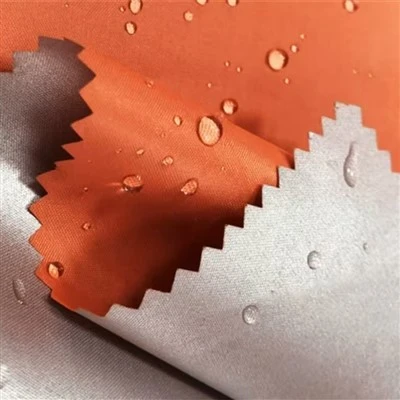
So, first off, what exactly do we mean by chemical resistance? Well, it’s all about how well a shade cloth can stand up to various chemicals without getting damaged. You see, shade cloths are used in a whole bunch of different settings, from gardens to industrial areas. And in these places, they might come into contact with all sorts of chemicals, like fertilizers, pesticides, cleaning agents, and even some industrial solvents.
Let’s start with the common chemicals that shade cloths might encounter in a garden. Fertilizers are a big one. Most fertilizers are made up of a mix of nitrogen, phosphorus, and potassium, along with some other trace elements. These chemicals are usually in a water – soluble form, and they’re used to help plants grow. But if a shade cloth gets exposed to concentrated fertilizers, it could cause problems.
For example, some fertilizers are acidic or alkaline. If the shade cloth isn’t resistant to these pH changes, the fabric might start to degrade over time. The acidic or alkaline nature of the fertilizer can break down the chemical bonds in the fabric, making it weaker and more likely to tear.
Pesticides are another chemical that shade cloths can meet in the garden. There are different types of pesticides, such as insecticides, herbicides, and fungicides. Insecticides are used to kill bugs that might damage plants, herbicides are for getting rid of unwanted weeds, and fungicides are to prevent fungal diseases.
Some pesticides contain harsh chemicals like organophosphates or pyrethroids. These can be pretty tough on shade cloths. If the cloth isn’t chemically resistant, these pesticides could cause discoloration, fading, or even complete breakdown of the fabric fibers.
In an industrial setting, the situation gets a bit more complicated. Shade cloths used in factories or industrial yards might be exposed to a wider range of chemicals. Solvents are a major concern. There are organic solvents like acetone, toluene, and xylene. These are used in things like paint thinners, cleaning agents, and some manufacturing processes.
Acetone, for instance, is a very strong solvent. It can dissolve many types of plastics and synthetic materials. If a shade cloth isn’t made of a chemical – resistant material, acetone could quickly eat away at it. Toluene and xylene are also powerful solvents that can cause similar problems.
Then there are acids and alkalis. In industrial settings, you might find sulfuric acid, hydrochloric acid, or sodium hydroxide. Sulfuric acid is extremely corrosive and can break down most organic materials. A shade cloth exposed to sulfuric acid for even a short period could be severely damaged. Similarly, sodium hydroxide, which is a strong alkali, can also cause the fabric to lose its strength and integrity.
So, how do we make sure our shade cloths have good chemical resistance? Well, it starts with the materials we use. Most of our shade cloths are made from high – quality polyester or polyethylene. Polyester is known for its good resistance to many common chemicals. It can withstand mild acids, alkalis, and some solvents.
Polyethylene is another great option. It’s resistant to water, many types of chemicals, and it’s also very durable. By using these materials, we can ensure that our shade cloths can handle a fair amount of chemical exposure.
But it’s not just about the base material. The manufacturing process also plays a big role. We use special treatments during the production of our shade cloths. These treatments can enhance the chemical resistance of the fabric. For example, we might apply a special coating that acts as a barrier between the fabric and the chemicals.
This coating can prevent the chemicals from penetrating the fabric fibers and causing damage. It’s like giving the shade cloth an extra layer of protection. And of course, we test our shade cloths regularly. We expose them to different chemicals in a controlled environment to see how they react. This way, we can make sure that our products meet the highest standards of chemical resistance.
Now, why is chemical resistance so important? Well, for one thing, it extends the lifespan of the shade cloth. If a shade cloth can withstand chemical exposure, it won’t need to be replaced as often. This saves our customers money in the long run.
In a garden, if a shade cloth doesn’t have good chemical resistance, it might start to deteriorate after just a few applications of fertilizers or pesticides. This means the farmer or gardener would have to buy a new shade cloth more frequently.
In an industrial setting, the cost of replacing a damaged shade cloth can be even higher. Not only do you have to pay for the new cloth, but you also have to factor in the cost of labor to install it. And if the shade cloth fails during operation, it could also cause disruptions to the industrial process.
Another reason chemical resistance is important is for the performance of the shade cloth. A damaged shade cloth might lose its ability to block sunlight effectively. The whole point of using a shade cloth is to provide shade and protection from the sun. If the fabric is weakened by chemical exposure, it might not be able to do this as well.
In addition, a chemically damaged shade cloth could also release small particles or fibers into the environment. In a garden, these particles could contaminate the soil or the plants. In an industrial setting, they could pose a risk to workers’ health.
So, if you’re in the market for a shade cloth, chemical resistance is definitely something you should consider. Our shade cloths are designed to offer the best possible chemical resistance. We’ve put a lot of time and effort into researching and developing our products to make sure they can handle whatever chemicals they might encounter.
Whether you’re using the shade cloth in your backyard garden or in a large – scale industrial operation, you can trust that our products will stand up to the test. We’re confident in the quality of our shade cloths, and we’re always here to answer any questions you might have.
If you’re interested in our shade cloths or want to learn more about their chemical resistance, don’t hesitate to reach out. We’d be more than happy to discuss your specific needs and help you find the perfect shade cloth for your situation.
Shade Cloth References:
- Textbooks on textile materials and their properties
- Research papers on chemical resistance of synthetic fabrics
- Industry reports on the use of shade cloths in different environments
Wujiang Jiashunxin Spray Weaving Co., Ltd.
As one of the most professional shade cloth manufacturers and suppliers in China, we’re featured by quality products and good service. We warmly welcome you to wholesale bulk customized shade cloth from our factory. If you have any enquiry about free sample, please feel free to email us.
Address: Xingli New Village, Lili Town, Wujiang District, Suzhou City, Jiangsu Province
E-mail: xuzhiqiang20260525@163.com
WebSite: https://www.shunbangfabric.com/
