Hey there! As a supplier of PE ball valves, I’ve been getting a lot of questions lately about how the surface finish of the valve ball affects the performance of these valves. So, I thought I’d take a moment to share my insights on this topic. PE Ball Valve
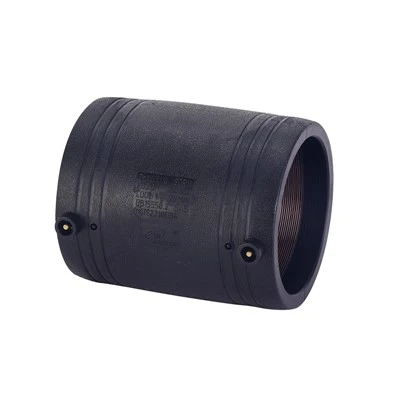
Let’s start with the basics. A PE ball valve is a type of valve that uses a spherical ball with a hole through the middle to control the flow of fluid. When the ball is rotated, the hole aligns with the flow path, allowing fluid to pass through. When the ball is turned 90 degrees, the hole is perpendicular to the flow path, blocking the flow.
The surface finish of the valve ball plays a crucial role in the performance of the PE ball valve. A smooth surface finish can reduce friction and wear, which in turn can improve the valve’s durability and reliability. On the other hand, a rough surface finish can cause increased friction, leading to premature wear and tear, and potentially causing leaks.
One of the key benefits of a smooth surface finish is reduced friction. When the valve ball has a smooth surface, it can rotate more easily within the valve body. This means that less force is required to open and close the valve, which can make the valve easier to operate. Additionally, reduced friction can also help to prevent the valve from sticking or seizing up over time, which can be a major issue in applications where the valve needs to be opened and closed frequently.
Another important benefit of a smooth surface finish is improved sealing. A smooth surface on the valve ball can create a better seal against the valve seat, which can prevent leaks. In applications where the valve is used to control the flow of hazardous or expensive fluids, a leak can be a major problem. By ensuring that the valve ball has a smooth surface finish, you can help to minimize the risk of leaks and ensure the safe and efficient operation of your system.
In addition to reducing friction and improving sealing, a smooth surface finish can also help to improve the valve’s overall performance. For example, a smooth surface can reduce the amount of turbulence in the fluid flow, which can improve the accuracy of the flow control. This can be particularly important in applications where precise flow control is required, such as in chemical processing or water treatment.
However, achieving a smooth surface finish on the valve ball is not always easy. There are several factors that can affect the surface finish, including the material of the ball, the manufacturing process, and the finishing techniques used.
The material of the valve ball can have a significant impact on the surface finish. For example, some materials are more prone to surface roughness than others. In general, balls made from high-quality materials, such as stainless steel or ceramic, tend to have a smoother surface finish than those made from lower-quality materials.
The manufacturing process also plays a crucial role in determining the surface finish of the valve ball. Precision machining techniques, such as grinding and polishing, can help to achieve a smooth surface finish. However, these processes can also be time-consuming and expensive. As a supplier, we use advanced machining technologies to ensure that our valve balls have a high-quality surface finish while keeping the cost reasonable.
Finally, the finishing techniques used after the ball is manufactured can also affect the surface finish. There are several different finishing techniques available, including mechanical polishing, chemical polishing, and coatings. Each of these techniques has its own advantages and disadvantages, and the choice of technique will depend on the specific requirements of the application.
As a supplier of PE ball valves, we understand the importance of the valve ball surface finish. That’s why we take great care in selecting the right materials, using the latest manufacturing technologies, and applying the appropriate finishing techniques to ensure that our valve balls have a smooth, high-quality surface finish.
In conclusion, the surface finish of the valve ball in a PE ball valve has a significant impact on its performance. A smooth surface finish can reduce friction, improve sealing, and enhance the overall performance of the valve. As a supplier, we’re committed to providing our customers with high-quality PE ball valves that meet their specific needs.
If you’re in the market for PE ball valves and want to learn more about how the surface finish can affect the performance of your valves, or if you have any other questions about our products, I’d love to hear from you. Just reach out to us, and we can start a discussion about your requirements. We’re here to help you find the best valve solutions for your applications.
PE Ball Valve References
- "Valve Handbook: Principles and Applications", by Robert W. McKetta
- "Fluid Mechanics and Hydraulic Machines", by R.K. Bansal
- Industry whitepapers on valve manufacturing and performance.
Zhejiang Shengbo Pipe Fittings & Valves Industry Co., Ltd.
With abundant experience, we are one of the most professional pe ball valve manufacturers and suppliers in China. Please feel free to buy discount pe ball valve from our factory. Welcome to contact us for quotation and free sample.
Address: No. 79 Hemudu North Road, Hemudu Town, Yuyao City, Ningbo City, Zhejiang Province, China
E-mail: shengbo@zj-shengbo.com
WebSite: https://www.shengbofitting.com/
