As a supplier of FPV drone LiPo batteries, I often get asked a critical question: "Can I overcharge an FPV drone LiPo battery?" This is not just a simple query but a concern that goes to the heart of battery safety, performance, and longevity. In this blog, I’ll delve into the science behind LiPo batteries, the risks of overcharging, and how to ensure your FPV drone batteries are charged correctly. FPV Drone Lipo Battery

Understanding LiPo Batteries
First, let’s understand what LiPo batteries are. Lithium – Polymer (LiPo) batteries are a type of rechargeable battery commonly used in FPV drones due to their high energy density, lightweight, and ability to deliver high currents. These batteries consist of multiple cells connected in series, and each cell has a nominal voltage of around 3.7V. When fully charged, a single cell can reach up to 4.2V.
The chemistry of LiPo batteries is based on the movement of lithium ions between the anode and the cathode. During charging, lithium ions move from the cathode to the anode, and during discharging, they move in the opposite direction. This movement of ions is what allows the battery to store and release energy.
The Dangers of Overcharging
Overcharging a LiPo battery is extremely dangerous. When a LiPo battery is overcharged, the voltage of each cell exceeds the safe limit of 4.2V. This can lead to a series of chemical reactions that are not only harmful to the battery but can also pose a significant safety risk.
One of the most common problems associated with overcharging is the formation of lithium metal deposits on the anode. These deposits can cause short – circuits within the battery, leading to a rapid increase in temperature. As the temperature rises, the electrolyte in the battery can start to break down, releasing flammable gases. In extreme cases, this can result in a fire or even an explosion.
Another consequence of overcharging is the degradation of the battery’s internal structure. The excessive voltage can damage the electrodes and the separator, reducing the battery’s capacity and lifespan. Over time, an overcharged battery will lose its ability to hold a charge, and you’ll notice a significant decrease in flight time.
How Overcharging Happens
There are several reasons why a LiPo battery might be overcharged. One of the most common causes is using an incompatible charger. Not all chargers are designed to handle LiPo batteries, and using the wrong charger can lead to overcharging. For example, a charger that is set to a higher voltage than the battery can handle will continue to supply power even after the battery is fully charged.
Another reason is human error. Sometimes, users forget to monitor the charging process or leave the battery charging overnight. This can cause the battery to be overcharged, especially if the charger does not have a built – in safety mechanism to stop charging once the battery is full.
Preventing Overcharging
As a supplier, I always emphasize the importance of using the right charger and following proper charging procedures. Here are some tips to prevent overcharging:
- Use a LiPo – specific charger: Make sure your charger is designed for LiPo batteries. These chargers are equipped with safety features such as over – voltage protection and will automatically stop charging when the battery reaches its full capacity.
- Check the charger settings: Before charging, double – check the charger settings to ensure they are compatible with your battery. Set the correct voltage and charge rate according to the battery’s specifications.
- Monitor the charging process: It’s important to keep an eye on the battery while it’s charging. If you notice any signs of overheating, swelling, or unusual behavior, stop the charging immediately.
- Use a battery management system (BMS): A BMS is a device that helps regulate the charging and discharging of the battery. It can prevent overcharging, over – discharging, and short – circuits, providing an extra layer of safety.
The Importance of Proper Charging for FPV Drone Performance
Proper charging is not only crucial for battery safety but also for the performance of your FPV drone. A well – charged battery will provide consistent power, allowing your drone to fly smoothly and perform at its best. On the other hand, an overcharged or under – charged battery can lead to reduced flight time, unstable flight, and even damage to the drone’s electronic components.
When a battery is charged correctly, it maintains its optimal voltage and capacity. This means that your drone will have enough power to complete its flight and perform maneuvers without any issues. Additionally, a properly charged battery will have a longer lifespan, saving you money in the long run.
Conclusion
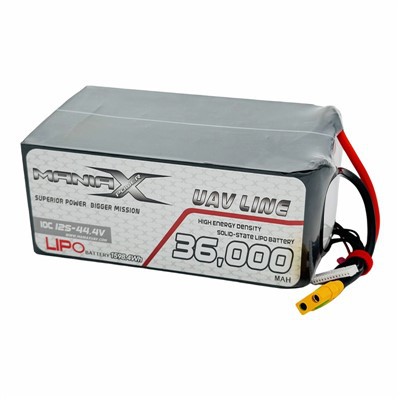
In conclusion, overcharging an FPV drone LiPo battery is a serious issue that can have dangerous consequences. As a supplier, I am committed to providing high – quality batteries and educating my customers about proper battery care. By using the right charger, following the correct charging procedures, and monitoring the charging process, you can ensure the safety and longevity of your LiPo batteries.
Cylindrical 21700 Li-ion Battery If you are in the market for FPV drone LiPo batteries, I invite you to contact me for more information. I can provide you with detailed product specifications, pricing, and any other assistance you may need. Let’s work together to keep your FPV drones flying safely and efficiently.
References
- Linden, D., & Reddy, T. B. (2002). Handbook of Batteries. McGraw – Hill.
- Harris, R. (2015). Understanding Lithium – Ion Batteries. IEEE Spectrum.
ManiaX Power Technology Co., Ltd.
ManiaX Power Technology Co., Ltd. is one of the most reliable fpv drone lipo battery manufacturers and suppliers in China, also supports customized service. Please feel free to wholesale bulk durable fpv drone lipo battery made in China here from our factory.
Address: Room 1508, 15/F, Two Grand tower, 625 Nathan Road, Kowloon, HongKong. P.R. China
E-mail: info@maniax-power.com
WebSite: https://www.maniaxpower.com/
