In the world of waste management and recycling, the choice of a shredder is a critical decision that can significantly impact a business’s bottom line. As a supplier of dual – shaft shredders, I’ve witnessed firsthand the diverse needs of our clients and the importance of cost – effectiveness in their purchasing decisions. In this blog, I’ll delve into how dual – shaft shredders stack up against other types of shredders in terms of cost – effectiveness. Dual-shaft Shredder
Initial Investment
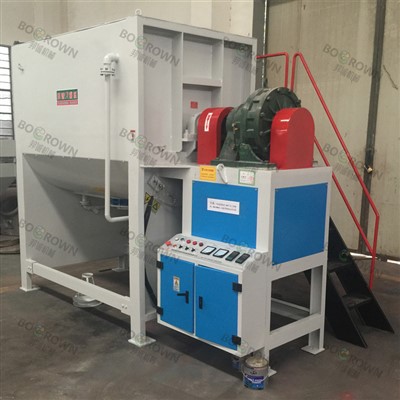
When it comes to the initial purchase price, dual – shaft shredders often require a higher upfront investment compared to some simpler shredder models. Single – shaft shredders, for example, are generally more affordable at the point of purchase. They have a relatively straightforward design with a single rotating shaft and a set of blades, which reduces the manufacturing cost.
However, it’s essential to look beyond the initial price tag. Dual – shaft shredders are built with heavy – duty components and advanced technology. Their robust construction allows them to handle a wider range of materials, from soft plastics to hard metals. This versatility means that a single dual – shaft shredder can often replace multiple specialized shredders, potentially saving money in the long run. For instance, if a recycling facility needs to process both wood and metal waste, they might need two different single – shaft shredders. But a dual – shaft shredder can handle both types of materials, eliminating the need for an additional purchase.
Operating Costs
Operating costs are a major factor in determining the cost – effectiveness of a shredder. These costs include energy consumption, maintenance, and the cost of replacement parts.
Energy Consumption
Dual – shaft shredders are designed to operate at a lower speed compared to some high – speed single – shaft or hammer shredders. While high – speed shredders may seem more powerful, they consume a significant amount of energy. The slow – speed operation of dual – shaft shredders allows them to use less energy while still effectively shredding materials. For example, a high – speed hammer shredder might require a large motor to maintain its high rotational speed, resulting in higher electricity bills. In contrast, a dual – shaft shredder can achieve the same shredding results with a more energy – efficient motor, reducing the overall energy cost over time.
Maintenance
Maintenance is another aspect where dual – shaft shredders shine. Their design features easy – to – access components, which simplifies the maintenance process. The blades on a dual – shaft shredder are typically modular, meaning they can be easily replaced when worn out. This reduces the downtime associated with maintenance and also cuts down on the cost of labor.
In comparison, some other shredders, such as multi – shaft shredders with complex gear systems, can be more difficult and expensive to maintain. The intricate design of these shredders often requires specialized technicians for maintenance and repair, which can add to the operating costs.
Replacement Parts
The cost of replacement parts is an important consideration. Dual – shaft shredders are designed with standard components that are widely available in the market. This means that when a part needs to be replaced, it can be sourced at a relatively low cost. Additionally, the modular design of the blades and other components allows for targeted replacement, rather than having to replace an entire unit.
On the other hand, some specialized shredders may have unique parts that are difficult to find and expensive to replace. This can significantly increase the long – term cost of operating these shredders.
Throughput and Productivity
The throughput, or the amount of material a shredder can process in a given time, is a crucial factor in cost – effectiveness. Dual – shaft shredders are known for their high throughput capabilities. Their dual – shaft design allows for a more efficient shredding process, as the two shafts work in tandem to break down materials. This results in a higher volume of shredded material being produced per hour compared to some single – shaft shredders.
For businesses that need to process large quantities of waste, the higher throughput of dual – shaft shredders can lead to increased productivity. This, in turn, can translate into higher revenues. For example, a waste management company that processes a large amount of construction waste can benefit from the high throughput of a dual – shaft shredder. They can process more waste in less time, allowing them to take on more jobs and increase their overall profitability.
Quality of Shredded Output
The quality of the shredded output is also an important aspect of cost – effectiveness. Dual – shaft shredders produce a more uniform and consistent shredded output compared to some other types of shredders. This is because the dual – shaft design allows for better control over the shredding process. The two shafts can grip and tear the material more effectively, resulting in a more evenly shredded product.
A high – quality shredded output is valuable in the recycling industry. It can be sold at a higher price, as it is more suitable for further processing. For example, shredded plastic that is of a uniform size and shape is more likely to be used in the production of new plastic products. This means that businesses using dual – shaft shredders can potentially earn more from the sale of their shredded materials, offsetting the initial investment and operating costs.
Adaptability to Different Materials
One of the key advantages of dual – shaft shredders is their ability to handle a wide variety of materials. They can shred everything from soft materials like cardboard and textiles to hard materials like metal and wood. This adaptability is a significant factor in cost – effectiveness.
In a recycling facility, the types of materials that need to be processed can vary greatly. Instead of having multiple shredders for different materials, a single dual – shaft shredder can handle the job. This reduces the need for additional equipment, storage space, and maintenance. For example, a recycling center that receives a mix of paper, plastic, and metal waste can use a dual – shaft shredder to process all these materials, saving on the cost of purchasing and operating multiple shredders.
Conclusion
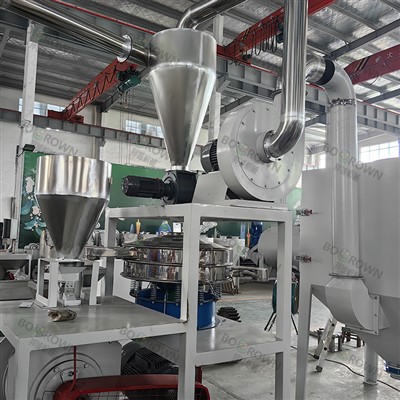
In conclusion, while dual – shaft shredders may have a higher initial investment compared to some other types of shredders, their long – term cost – effectiveness is undeniable. Their lower energy consumption, easier maintenance, high throughput, high – quality shredded output, and adaptability to different materials make them a smart choice for businesses in the waste management and recycling industries.
Feeding System If you’re in the market for a shredder and are looking for a cost – effective solution, I encourage you to consider a dual – shaft shredder. Our team of experts is ready to assist you in finding the right shredder for your specific needs. Contact us to start a conversation about your requirements and how a dual – shaft shredder can benefit your business.
References
- "Shredder Technology Handbook" – A comprehensive guide on different types of shredders and their applications.
- Industry reports on waste management and recycling, which provide data on the performance and cost – effectiveness of various shredders.
ZJG BC Machinery Co., Ltd.
As one of the most professional dual-shaft shredder manufacturers and suppliers in China, we’re featured by quality products and good price. Please rest assured to buy cost-efficient dual-shaft shredder for sale here from our factory. Contact us for custom service and OEM service.
Address: No.8 Lexi Road, Leyu Town, Zhangjiagang City
E-mail: sales@bcextruder.com
WebSite: https://www.bcextruder.com/
